Erganeo is at your disposal.
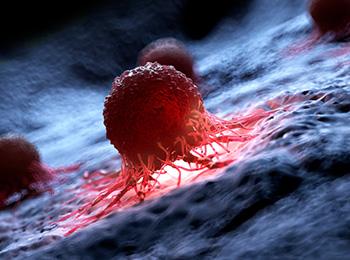
Therapeutic extracellular vesicles, derived from HEK293T cells expressing the NFAT3 transcription factor, are used in the advanced treatment of metastatic triple-negative breast cancer and pancreatic cancer.
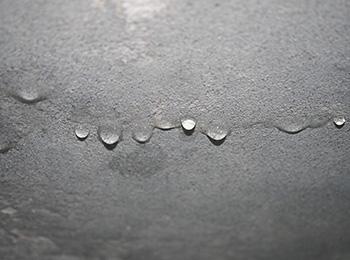
Although the standard ASTM D559 has been defined to evaluate the impact of water ingress and egress on a given soil, the current ASTM approach does not consider the soil saturation level, the temperature implemented does not represent the real situation, and the consideration of Relative Humidity (RH) and physicochemical interaction between soil and water is ignored. In this context, the proposed automated simulator brings a novel approach to monitoring the water ingression and egression phenomena continuously by considering the soil saturation level. The temperature and RH which impact such phenomena are incorporated to represent the field condition. The physicochemical interaction between each specimen and water can be analyzed simultaneously. Thus, the proposed device can evaluate the impact of the wetting and drying cycles on compacted soil in an environment that closely represents the field situation.
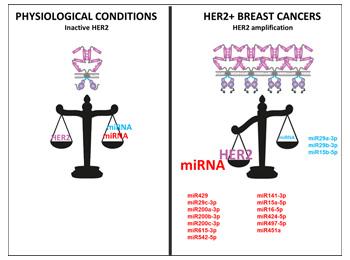
About 25% of primary human breast cancers are due to the deregulated expression of ErbB2/HER2. HER2-targeted therapies have improved patient survival, but both de novo and acquired resistance remain a challenge, as only 25% of treated patients respond to the current therapies. Equivocal HER2 status also remains an issue as it affects subsequent clinical management. Following the analysis of the expression level of more than 800 miRNA in several human breast cancer cells and patient biopsies with various HER2+ status, the team has identified novel miRNA biomarkers for the diagnosis and prognosis of HER2+ cancers. This allows for further stratification of patients and offers new therapeutic strategies based on the modulation of some of these miRNA. The team has the expertise and know-how required to measure miRNA and HER2 expression levels in biological samples as well as to assess HER2 activation status, downstream signaling and functional effects on cell proliferation and survival in breast cancer.
Use of anti-miRNAs as therapeutic tools in HER2+ breast cancer.
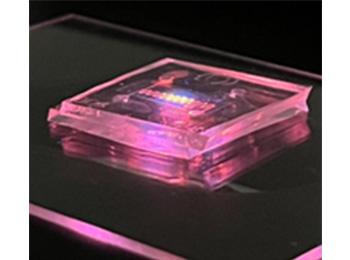
Nanomedicine and biotherapeutics are progressively replacing traditional small drug therapeutics. Lipidic nanoparticles for covid vaccines is one of the most recent and succesful example. The field success is strongly related to analytical techniques such as SEC chromatography and size analysis. AF4 flow separation is an attractive alternative to SEC to separate a wider range of nanoparticles. Yet, the experimental complexity and resources it requires limit its current capacities. Thanks to our expertise in thermoplastic, we can miniaturize it, intensifying its performances and overcoming its current limitations.
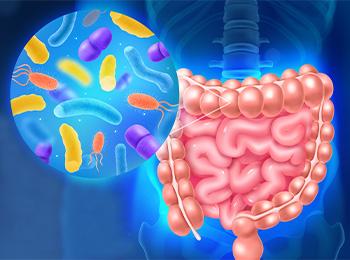
Compounds releasing carbon monoxide (CO-RMS) are being investigated as a new treatment approach to mitigate age-related metabolic dysfunction.
Les revêtements autonettoyants ou réflectifs (textiles, peintures, verres, bétons…) à base de TiO2 sont déjà connus mais le problème majeur reste la taille nanométrique des particules d’oxyde de titane jugée dangereuse pour les
êtres vivants. Dans les procédés existants, ces nanocristaux d’oxyde de titane, une fois synthétisés ou achetés, sont importés à l’intérieur ou sur la surface des revêtements. Le risque de dissémination dans l’environnement est donc réel puisque ces particules peuvent se décrocher aisément, de par le lien très faible entre revêtement et matériaux. Notre innovation permet quant à elle d’éviter cette problématique en rendant le lien entre support et TiO2 très fort en développant directement les cristaux à l’intérieur ou sur la surface d’un support sans risque de se décrocher et se disséminer dans l’environnement.
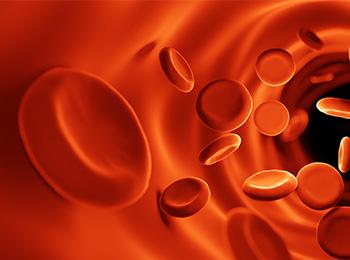
Red blood cell (RBC) allo-immunization is the immune response of an individual to foreign RBC antigens not present on the surface of their own cells. An efficient detection of alloantibodies is of major interest to manage transfusions in regularly transfused patients, or for the pregnancy follow-up in the context of haemolytic disease of the foetus and new-born (HDFN). However, The Rh blood group system is one of the most polymorphic and immunogenic system, defined by least 54 Rh antigens, some of which being very rare in the population. To date, available commercial test cell reagents, composed of red cell panels expressing different Rh phenotypes, are able to encompass only few of these Rh specificities. Researchers have developed a cell-free system for the production of RH proteins, allowing to obtain large quantities of these proteins in their native state. The method, validated on RhD and RhD-RhAG antigens, relies on the use of in-house assembled nanodiscs, able to incorporate membrane proteins, preserving not only the solubility but also the conformation of newly synthetized membrane proteins. This is to date the first method allowing to generate in vitro Rh antigens with a correct conformation and, thus, ready to be tested by several antibodies, thereby representing a new approach for diagnostic in hematology laboratories investigations.
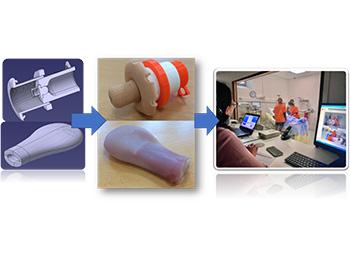
Prematurity is the leading cause of death in children under five; each year, approximately 15 million babies are born prematurely all over the world. Prematurity exposes the child and the mother to an increased risk of morbidity and death when the caregivers are not trained in specific care. The research team has developed 2 innovative training modules for training in obstetrical emergencies. The first module is a uterine cervix module created to simulate different configurations of cervical effacement. This automated training tool will allow the simulation of emergency or daily clinical situations related to pregnancy, in particular the threat of premature delivery. The second module is a 3D printed “uterine body”. The training module reproduces different scenarios to treat hemorrhages during childbirth (suture, intrauterine tamponade balloon) in order to improve professional practices and reduce maternal morbidity and mortality.
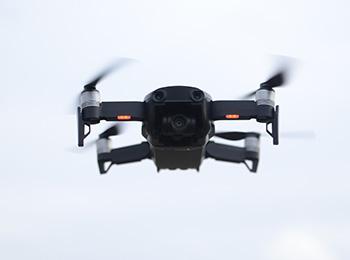
Multi-image fusion is a good solution for performing super-resolution and denoising images, especially for low-cost image capture systems. However, in embedded systems such as satellites, drones or smartphones, the lightweight embedded processing can be problematic. The innovative process optimizes the distribution of the computational load between the light-embedded processing device and the remote processing solution with a more powerful server. It can also considerably reduce the quantity of data to be transmitted or increase the quality of the result obtained for an equal quantity of data transmitted.
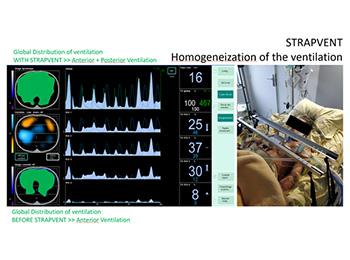
Lung injury is not homogeneous because lesions are frequently distributed in the posterior regions. This exposes the lungs to inhomogeneous ventilation under mechanical ventilation with risk of overdistension of the anterior and
cyclic opening-closing of the posterior regions. These two phenomena can aggravate lung damage and lead to excess mortality. Today, no technical solution allows the homogenization of the pulmonary aeration except the prone position. The research team develops «STRAPVENT», a device whose objective is to apply a titrated compression on the compliant anterior chest wall of the thorax. This device allows a more homogeneous distribution of ventilation, protecting the anterior areas from overdistension and favoring the redistribution of ventilation towards the posterior regions. Dramatic improvement in the airways mechanics has been reported in patients with ARDS.
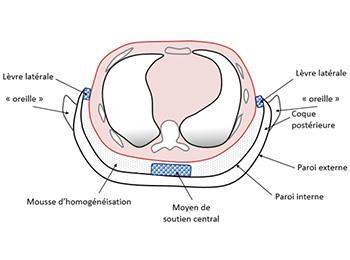
60% of patients admitted to intensive care are ventilated by mechanical ventilation to ensure stability and survival. These patients suffer from lesions induced by various pathologies. Lesions located in the alveoli are not evenly distributed, especially in the less compliant posterior lobes. Today, no technical solution allows a re-homogenization of this ventilation. The research team develops «VacuoVent», a device in the form of a bespoke rigid or semi-rigid thoracic shell allowing the application of an extra-thoracic negative pressure on the thoracic wall in front of the damaged lung. This device allows a more homogeneous distribution of ventilation, and is currently being evaluated on cadavers. Next step: the clinical POC.
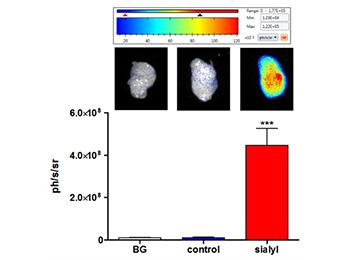
While surgery is the main line of treatment for most solid tumors, incomplete tumor resection frequently occurs and represents an additional risk for relapse. The main challenge for surgeons is then to distinguish the surgical boundary between the lesion and the surrounding healthy tissues in an accurate manner. The research team has developed a new specific imaging agent emitting in the tissue transparency zone and targeting E-selectin, a well-known inflammation marker frequently overexpressed in several solid cancers. The imaging agent is capable to specifically detect colorectal tumor in vivo in a mouse xenograft model. This new agent can be used with portable optical imaging systems in the operating room to delineate tumor areas in order to assist surgeons in real time during resection.
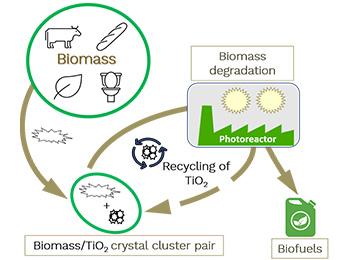
La technologie repose sur l’élaboration d’un matériau composite par cristallisation de TiO2 à basse température sans solvant organique sur des produits issus de la biomasse/déchets organiques. Les matériaux composites micrométriques ou millimétriques engendrés sont très réactifs par photocatalyse. Par l’apport d’une source lumineuse visible, la partie organique se dégrade à 100 % en éléments à faible chaîne carbonée (méthanol et acétone) très utilisés dans de nombreux domaines (énergie, pharmaceutiques, cosmétiques, chimie, etc.).
Fungal diseases are highly relevant to human health and agriculture.
In Humans, Candidiasis, Aspergillosis or Cryptococcosis mostly affect immunocompromised patients and cause death penalties of ~1.7 million deaths per year. In plants, fungal diseases cause around 10-30% loss in crops representing a risk for food availability. While anti-fungal treatments remain unsatisfactory to date due to species diversity and adaptation mechanisms, we need new tools to assess the efficiency of newly developed drugs. Cell wall thickness is critical for the survival and development of fungal cells.
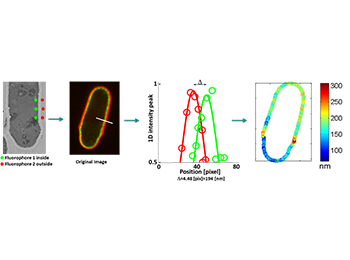
The team has developed a new method based on light microscopy and image analysis pipelines to monitor Cell Wall thickness in live cells and in large populations of living cells, thereby allowing to quickly and accurately define the thickness of the cell wall. This method can be used in fundamental and applied research, and is compatible with screening strategies to allow the identification of new agents capable of altering the cell wall.
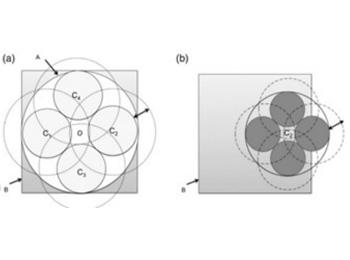
New optimization algorithm based on fractal decomposition. Thanks to a new approach of covering space this algorithm can solve problems with a large number of variables while providing an exact answer. All this with a very low complexity (logarithmic).
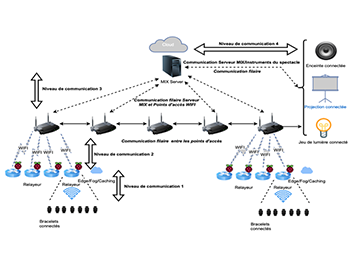
The use of a large number of connected objects in a small area causes problems at the level of the IoT network: on the one hand, an increase in delays (high contention to access the channel) and on the other hand a congestion and high packet loss rate, due to the large volume of data generated. This is the case, for example, of the connected bracelets used by spectators, gathered in restricted areas (concert halls, stadiums, etc.), to produce light effects synchronously via remote control. The proposed solution based on a multi-tier mesh network architecture with four levels of communication and algorithms makes it possible to overcome this problem and ensure an adequate quality of service (QoS).

Viologen derivatives have the ability to change color in UV-Vis range as well as to strongly absorb in near-IR. Their redox properties can also be used for electrochemical energy storage.
Based on these multifunctional materials, we are developing a dual system with electrochromic properties to adjust the optical contrast as well as the ability to store energy, resulting in an electrochromic energy storage system. Unlike commercial systems, transparent mode is here achieved without current, significantly reducing system power consumption. The organic layers can be deposited either on rigid glass or on flexible plastics. Finally, this system is being developed using bio-based products.
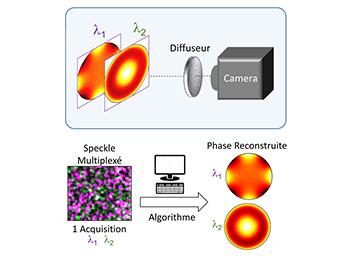
All existing Wavefront sensors (WFS) can only measure several wavefronts by sequential image acquisition. Sequential multi-spectral WFS has several drawbacks: it is difficult to implement, expensive, and incompatible with single-pulse laser characterization. This innovative system now allows simultaneous wavefront shapes measurement at different wavelengths using the multi-spectral (broadband or multi-line) light beam. It relies on the recent development of a wavefront analyzer (DiPSI) based on the use of a simple diffuser that obviates all these drawbacks by performing spectral measurements simultaneously. This aspect is advantageous for a variety of applications such as optical metrology, laser metrology, quantitative phase imaging and ophthalmology.
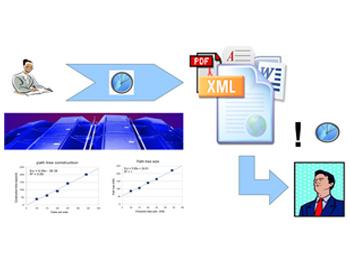
Homomorphic cryptography makes it possible to host encrypted documents in the Cloud, while offering queries on their content, without exposing secret data. However, many Internet applications of document computing require processing massive streams of XML data, which poses real technological challenges for the efficiency of processing techniques and data security. CSQM, the completely new model proposed, is a flow processing approach which makes it possible to minimize the consumption of resources (time, memory) for a given request on a document of any size.